Research and community sources describe oral dosing as the most commonly documented route for gut-targeted effects. Community sources describe oral dosing , 500 mcg-1 mg, as the route favored for gut-targeted effects. They report how the KLOW peptide blend product overview math is described — not a recommended dosing schedule. Once KPV is reconstituted, the conversion from a target dose to syringe units depends on the chosen dilution. KPV has robust preclinical evidence, primarily from inflammatory bowel disease models.
The community-reported schedules are distinguished from the evidence published and content that relies solely on calculations in the table below. Only vial math determines the total number of complete calculations. By introducing 1 mL of bacteriostatic water — a concentration of 5,000 mcg per mL is achieved, which translates to 50 mcg per unit in a U-100 syringe.
For gut inflammation and IBD symptoms, many users report noticeable improvement within 1–2 weeks of consistent oral or subcutaneous use. For systemic anti-inflammatory effects, subcutaneous injection provides more reliable absorption. Use bacteriostatic water for reconstitution to prevent bacterial growth. KPV should complement — not replace — evidence-based treatments prescribed by a gastroenterologist. However, long-term human safety data is limited, and KPV remains a research peptide, not an approved drug.
Anecdotal reports from users suggest that some people notice a reduction in inflammation within a few days to a few weeks. There is no clinical data to provide a definitive timeline. This allows it to be legally prescribed by a doctor and prepared by a registered compounding pharmacy for patient-specific use. This dosage is based on preclinical data and anecdotal reports, not official human clinical trials. It can be administered orally for gut issues or via subcutaneous injection for systemic effects. Any benefits or side effects are based on animal models and personal stories.
Injection Under the Skin
Topical formulations have been investigated for localized anti-inflammatory effects — though systemic bioavailability remains limited at 15-25% compared to injectable forms. The peptide undergoes rapid enzymatic degradation by peptidases, contributing to its short duration of action and requiring consistent daily dosing schedules. A research-use label — higher price or purity certificate alone does not establish suitability for patient treatment.
Gut Health and IBD Research
For systemic inflammatory conditions not limited to the gut or skin, subcutaneous injection provides the most reliable and complete absorption. The optimal protocol varies depending on whether you are targeting gut inflammation (skin conditions), systemic inflammation, or wound healing. You reconstitute it with bacteriostatic water, then draw your dose using an insulin syringe. For gut inflammation specifically, even partial survival through the GI tract is advantageous because the target tissue (intestinal mucosa) is in direct contact with the oral dose. Once-daily dosing works for mild applications or maintenance; three-times-daily is used for active inflammation.
Insulin Syringes (U‑ :
For oral KPV targeting gut inflammation, taking it on an empty stomach is generally recommended to maximize contact with the intestinal lining and minimize degradation by food-related digestive enzyme activity. The KPV + BPC-157 stack is the most popular protocol for gut inflammation and IBD. While oral bioavailability is likely lower than subcutaneous injection, community reports and preclinical research (particularly in IBD models) support oral efficacy for gut-targeted inflammation. The most common KPV dosage is 200–500 mcg taken orally 1–2 times daily for gut inflammation, or 100–500 mcg subcutaneously once daily for systemic anti-inflammatory support.
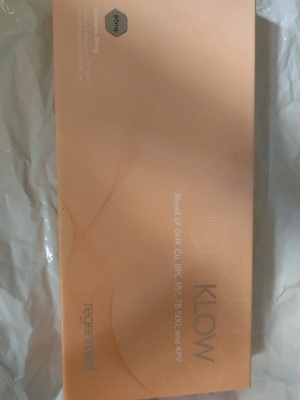
They offer treatments such as BPC-157 (TB-500), PT-141, and Semaglutide, which target specific biological processes at the cellular level. Seneca BioMedical (based in UK – Technology Centre), Wolverhampton, specializes in advanced peptide therapies aimed at promoting healing, tissue regeneration, and overall health. The KPV peptide represents a promising area of peptide research due to its targeted anti-inflammatory and immune-modulating properties. Research suggests oral delivery may be effective for gut-targeted applications — but formulation matters. KPV stands out for its targeted anti-inflammatory action, especially in mucosal tissues.
When we do offer a treatment, medications are compounded by state-licensed US 503A pharmacies and shipped to the patient’s door. At Chia, treatment starts with a 100% online health questionnaire and review by a licensed US provider. Until FDA acts, KPV is not formally on the 503A Bulks List based on that vote. KPV does not have that status for gut inflammation, skin inflammation, wound healing, or any other use.
One of the most attractive aspects of KPV is its flexibility; it can be given orally (topically), or through injection, depending on the condition being treated. KPV’s potential effectiveness for acne stems from its combination of anti-inflammatory and antimicrobial properties, which address both the inflammatory aspect and bacterial participation. The most substantial studies on KPV concentrate on its impact on inflammatory bowel diseases, such as ulcerative colitis and Crohn’s disease. KPV’s ability to target both NF-κB and MAPK simultaneously renders it especially effective in alleviating inflammation from various angles.
Take your time finding what works best for your body and goals. For example, if you choose to inject, switch needles every time. Sometimes, after an oral dose, you could notice loose stool or a mild tummy ache. Start with caution if trying for the first time. Explore peptide information and provider-reviewed prescription options.
Evidence-based protocols for the minimal anti-inflammatory fragment of alpha-MSH, oral, subcutaneous, and topical dosing for gut inflammation, IBD, skin conditions, NF-κB inhibition, and stacking strategies. We cover KPV here because many patients are seeing dosage claims online and need a safer, evidence-led way to understand them. In a world where KPV is a widely available prescription (the prime candidates for its use would be people with chronic inflammation), persistent bacterial or fungal infections, or stubborn wounds. Along the way, we leaned on our relationships with people who know peptides on the ground level, both prescribers and patients. TB-500 is pro-angiogenic, which is a theoretical concern in patients with active or recent solid tumor malignancy.

Recent Comments
Hello world!
A WordPress CommenterInterdum luctus accu samus habitant error nostra nostrum
Fletch SkinnerInterdum luctus accu samus habitant error nostra nostrum
Chauffina CarrDoloremque velit sapien labore eius lopren itna
Hans DownBloke cracking goal the full monty get stuffed mate posh.
Fletch Skinner